20 November 2026 | A PRIMA delegation visited research demonstrations, met Maltese project partners and joined the second FUTURE4PRIMA Widening Workshop on 18-20 November 2026.
It started in a field in Gozo and ended in a workshop room in Kalkara. Over three days, a PRIMA delegation led by Director Prof. Sanaa Zebakh took stock of what PRIMA has achieved and where it is heading next. The programme combined field visits, meetings with Maltese partners from PRIMA Sections 1, 2 and 3, and the second FUTURE4PRIMA Widening Workshop, hosted by Xjenza Malta.
Science in the field and in the classroom
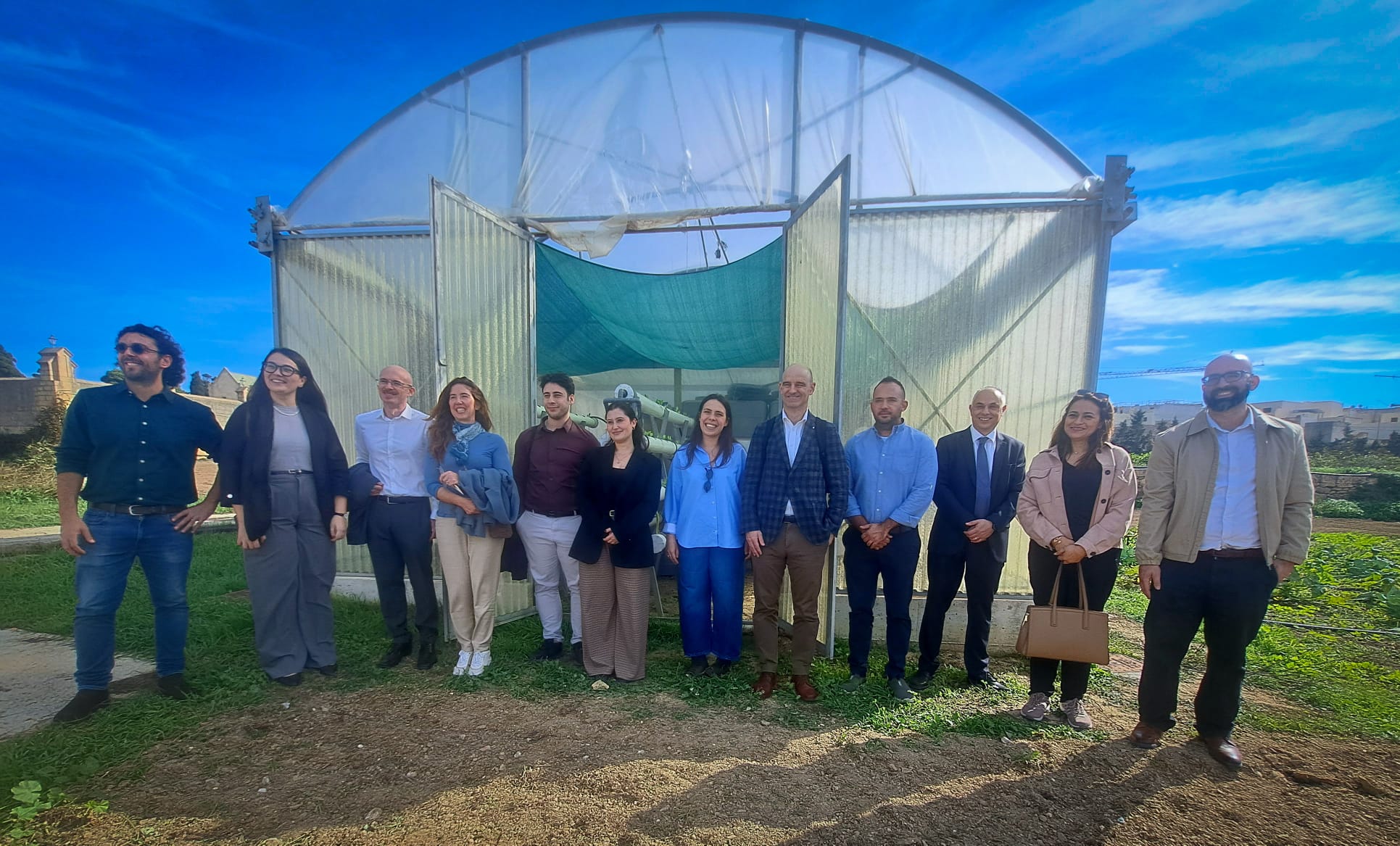
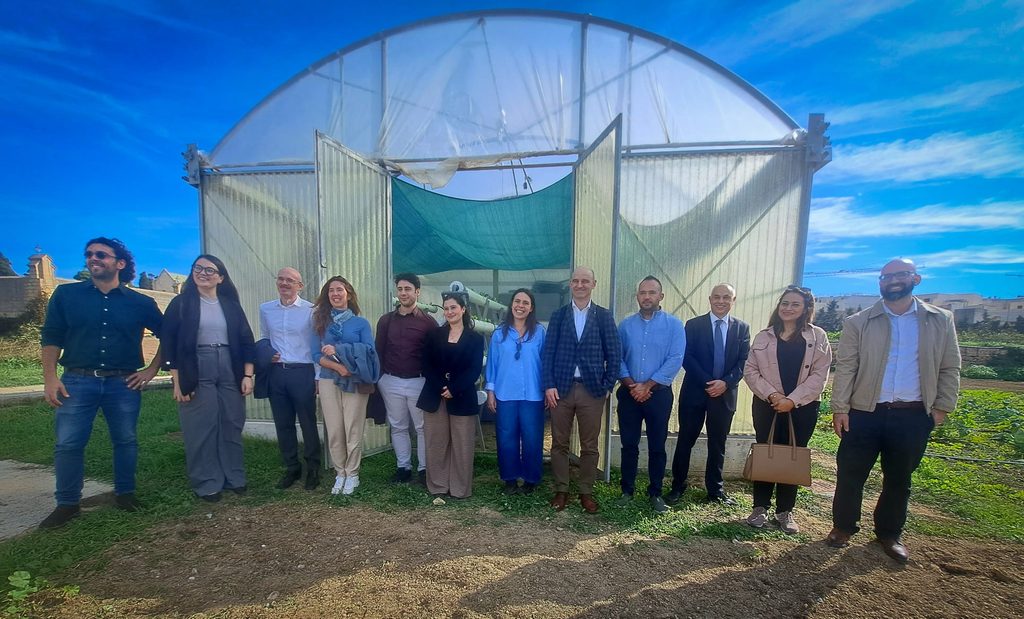
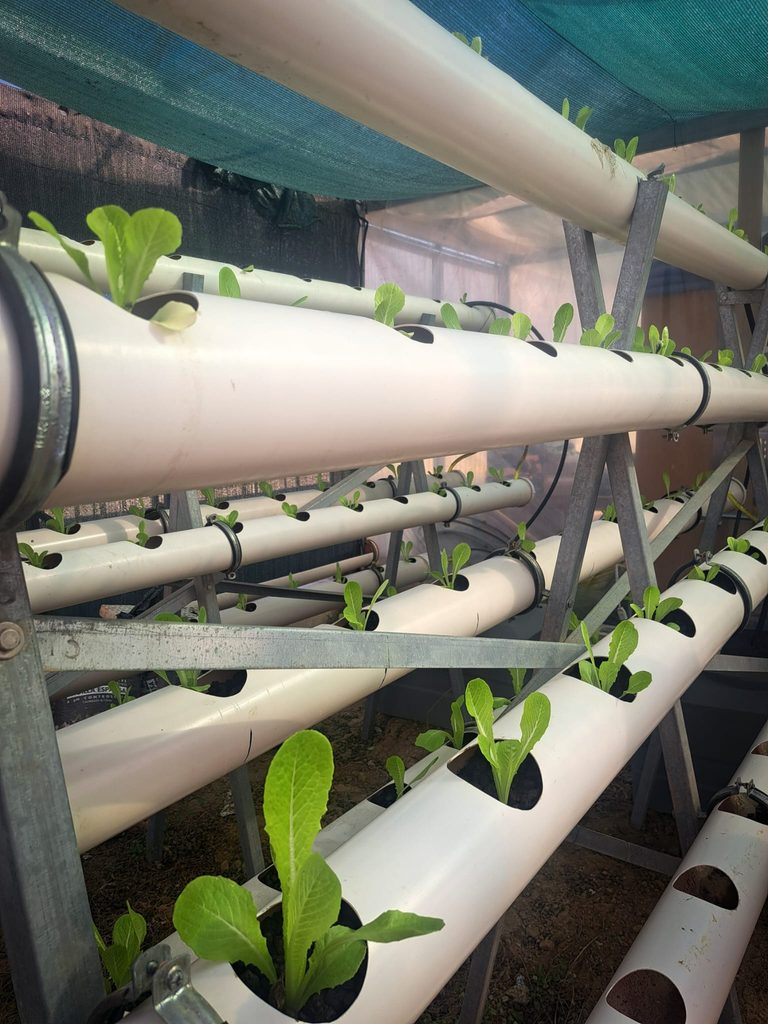
The visit began at a MED-WET demonstration site in Gozo. The PRIMA-funded project has developed SLECI, an innovative irrigation technology, and the delegation was able to compare it first-hand with conventional irrigation. Discussions covered field testing, practical constraints, local adaptation and why demonstration sites matter for wider uptake.
Then came the school. Pupils who had taken part in an experiment comparing SLECI with conventional irrigation still remembered it about two years later, and could explain why saving water matters. It was a simple, memorable example of Science in Society: knowledge and awareness that stay in a community long after a project ends.
Looking ahead to PRIMA2
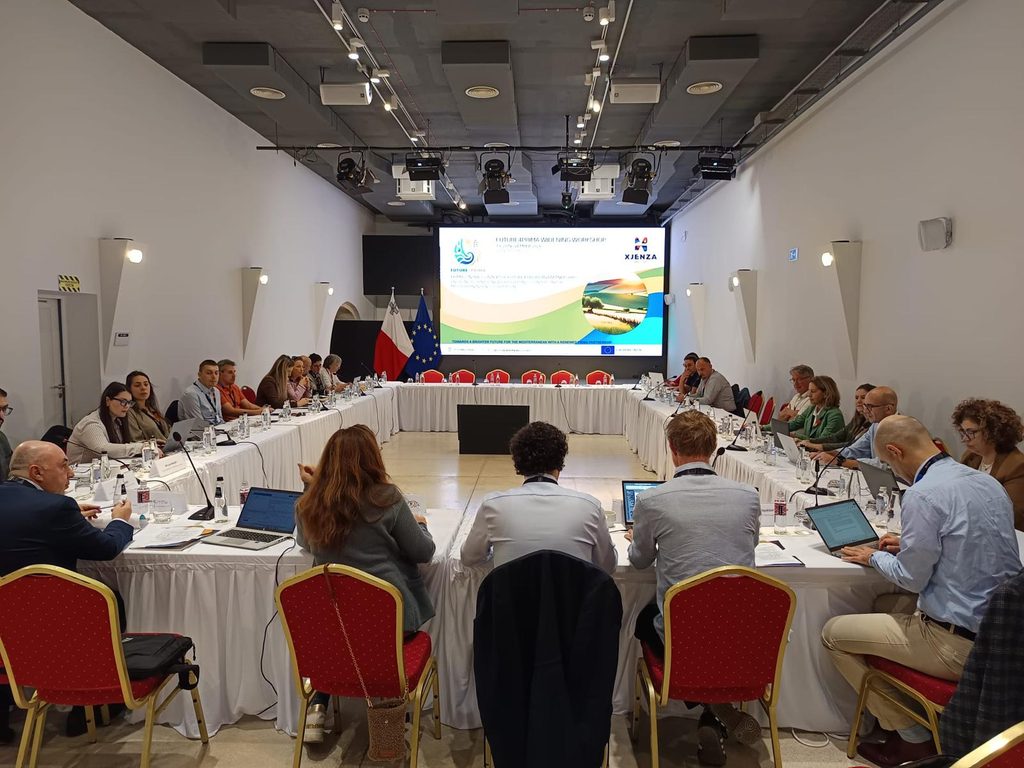
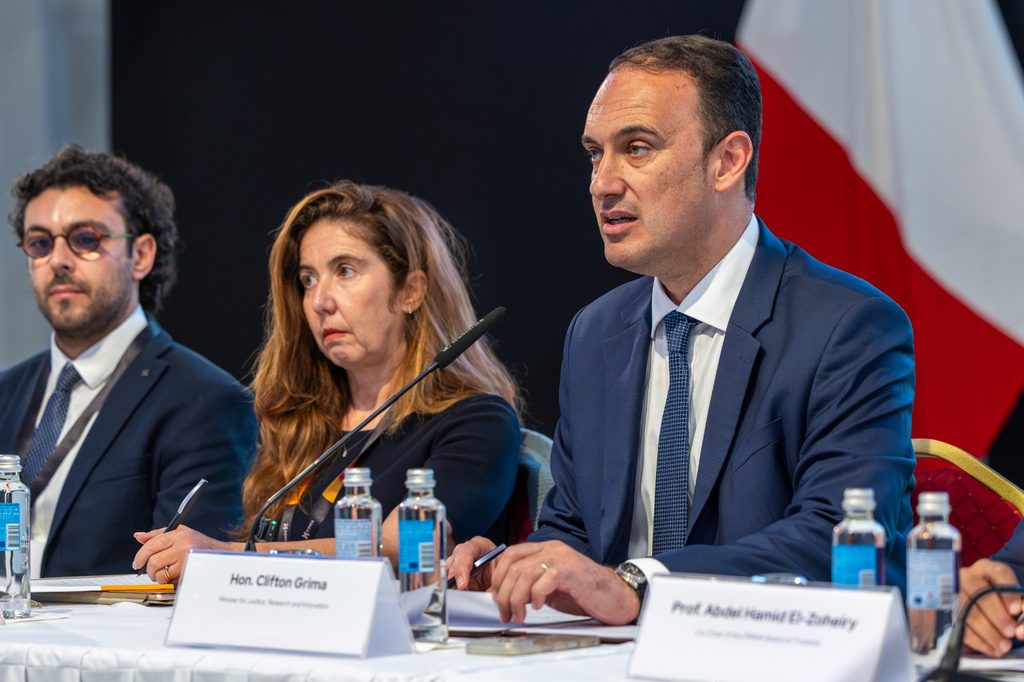
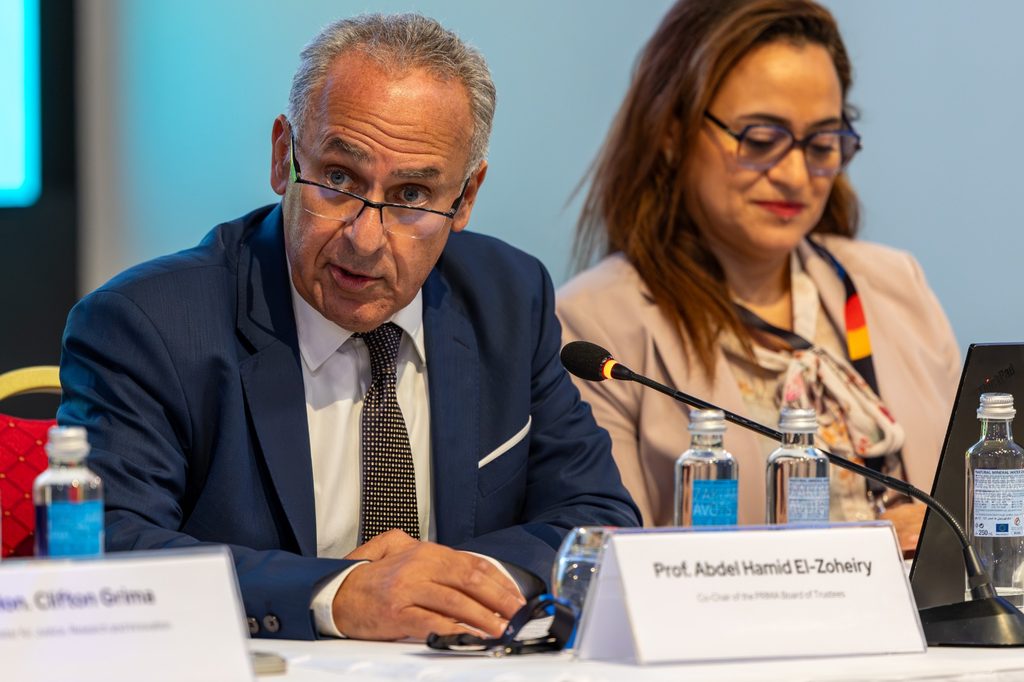
The FUTURE4PRIMA Widening Workshop took place on 19-20 November at Villa Bighi, Kalkara, hosted by Xjenza Malta. It was opened by Malta’s Minister for Justice, Research and Innovation, Dr Clifton Grima, together with PRIMA Co-Chair Prof. Abdelhamid El-Zoheiry and Prof. Zebakh.
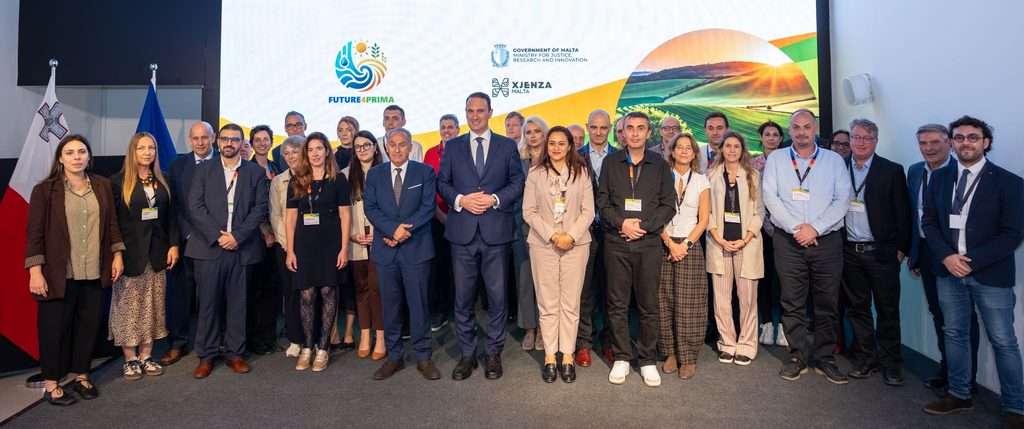
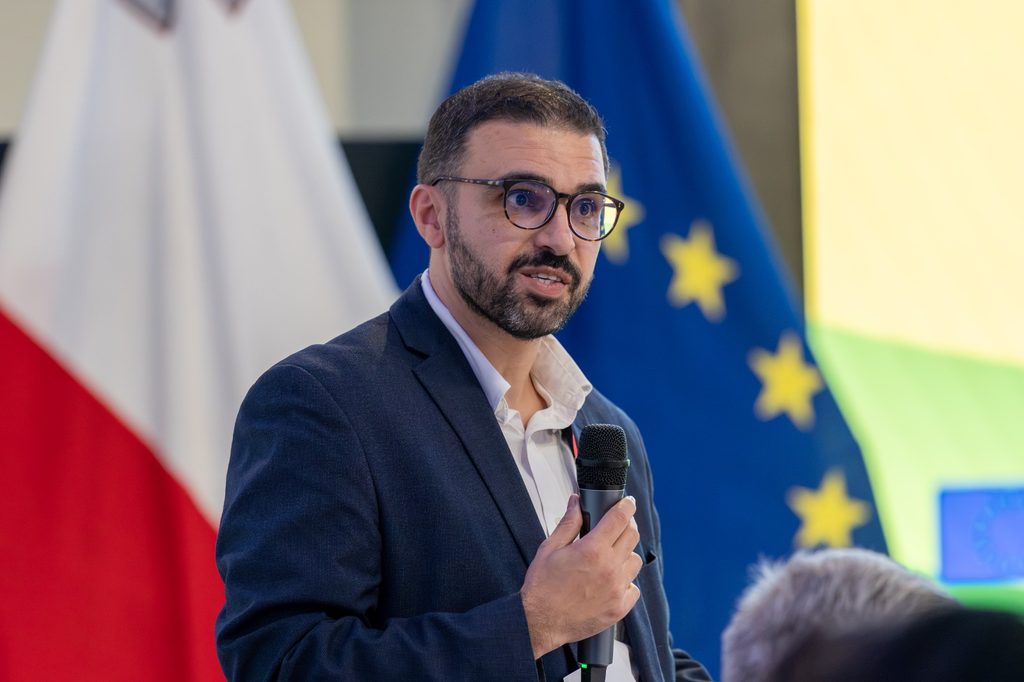
Representatives of PRIMA Participating States and potential new partner countries discussed how to widen participation and prepare PRIMA2 (2028-2034). On the agenda were governance, funding and shared priorities in water resilience, sustainable agriculture, food systems and climate adaptation.
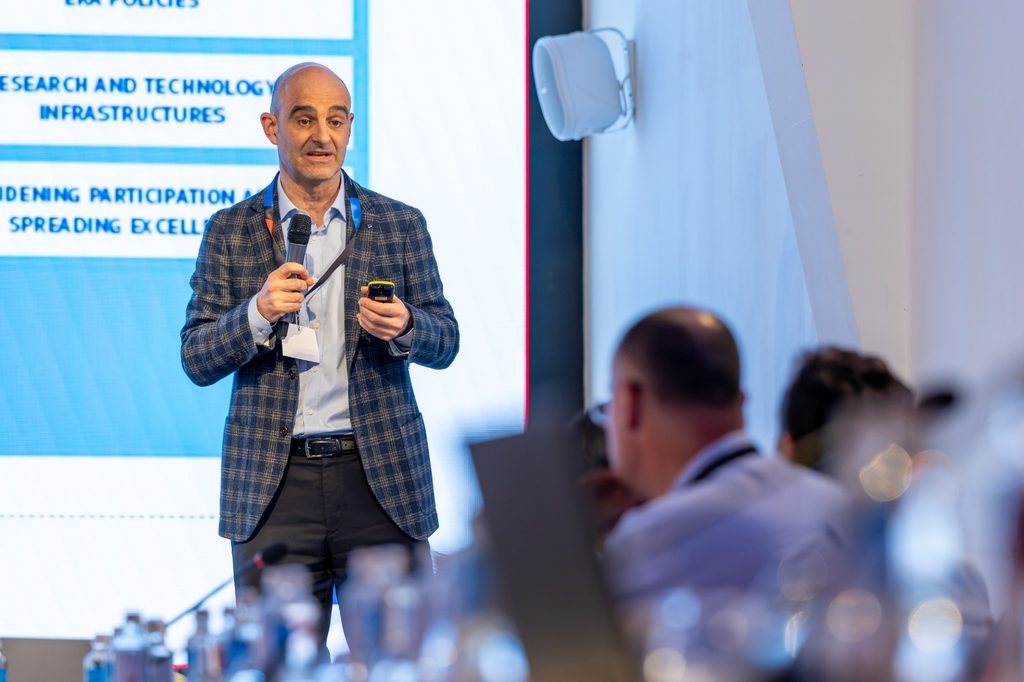
Prof. Zebakh described PRIMA as a Euro-Mediterranean mosaic of knowledge and talent, enriched by every new country and by greater opportunities for young people and women. Widening, she said, is about more than geography. It also means bringing in a broader range of scientific, institutional, business and societal actors, around three pillars:
- Science for Policy: better use of scientific evidence in public decisions.
- Science for Business: connecting innovations to uptake, markets and investment.
- Science in Society: bringing research closer to citizens, schools and communities.
Meeting the PRIMA community, including Maltese partners
On 19 November, the delegation also met Maltese partners to review achievements and exchange ideas for PRIMA2. Projects from all three PRIMA Sections were presented:
- Section 1: WEFE4MED. WEFE4MED is a is CSA (Coordination and support Action) that promotes integrated management of water, energy, food, and ecosystems across the Mediterranean by connecting researchers, policymakers, and practitioners through a Nexus Community of Practice and regional demonstration sites
- Section 2: Novishpak and BIOCATCH. Novishpak is developing a biodegradable fish-packaging material that changes colour with the freshness of the fish while BIOCATCH develops natural, bio-based tools and sustainable farming practices to protect Mediterranean crops, soil, and pollinators from the impacts of climate change.
- Section 3: BeeOpTech4Honey and SOLEATECH, both cooperation projects between two PRIMA National Funding Agencies: TÜBİTAK (Türkiye) and Xjenza Malta. BeeOpTech4Honey uses GIS to identify suitable areas for monofloral honey production while SOLEATECH uses artificial intelligence and IoT sensors to optimize olive cultivation and protect olive oil quality against climate change.
[Did you know?] Sections 1 and 2 of PRIMA projects are well known to the public, but are you familiar with Section 3 projects? They are just as important, and PRIMA would not be PRIMA without them. Section 3 projects are national, bilateral or multilateral research and innovation initiatives, funded and managed directly by PRIMA Participating States rather than through the centralised PRIMA calls. The two Malta-Türkiye projects show how well this model can work.
The partners spoke of lasting relationships that go beyond individual projects. They also put forward practical ideas for PRIMA2: better coordination of national funding timelines, closer links between Section 2 and Section 3 projects, support for communicating and exploiting results once a project ends, and more systematic ways to bring policy briefs to policymakers.
What would it take for more countries to help shape PRIMA’s future?
It was the question at the heart of the workshop. FUTURE4PRIMA coordinator Antonella Autino linked it to the countries’ proposal for PRIMA2, which builds on a consultation of around 500 stakeholders that shaped the Joint Programme. FUTURE4PRIMA is now working with interested countries to identify who could lead nationally and what each could contribute.
Prof. Zebakh closed the first say of the workshop with a message for the road ahead: “Widening should not only expand the boundaries of our partnership. It should expand the reach of our impact.”
A big thank you to the Xjenza Malta team for the warm welcome and for organizing the event.
Read more: www.future4prima.eu
More links:
- MEDWET:https://www.medwet-eu.com/
- WEFE4MED: www.wefe4med.eu
- Novishpak: https://novishpak.eu/
- BeeOpTech4Honey: https://bee-optech4honey.isikun.edu.tr/
- SOLEATECH: https://plumtri.org/Project-SOLEATECH
- Xjenza Malta Press release : https://xjenzamalta.mt/2026/11/20/malta-hosts-second-future4prima-widening-workshop-on-the-future-of-euro-mediterranean-research-and-innovation-cooperation/